Career Launch Kit
The transition from the classroom to the boardroom is less about what’s on your transcript and more about how you tell your story. In today’s competitive landscape, being "qualified" is just the baseline; being persuasive is what gets you hired.
This page is your personal career-launch playbook. We’ve curated the ultimate roadmap for recent and soon-to-be grads to help you shift from "applying" to "attracting." Whether you're looking for the high-level philosophy of influence or the nitty-gritty of interview prep, you’ll find it here.
Books for Success: A strategic reading list to rewire your brain for success.
Interview Vault: The high-stakes questions you’ll face and the "psychological" way to answer them.
Architects of Achievement: Podcasts that turn your downtime into a masterclass in professional development.
Being a lifelong student didn't end at graduation—it just got real. Let’s get to work on your first big sale.
Books for Success
Becoming a master of your own brand requires more than just talent; it requires a strategic education in human nature and mindset. The following books are the definitive guides to mastering the art of the personal pitch. To get the most out of them, I recommend reading them in this specific order:
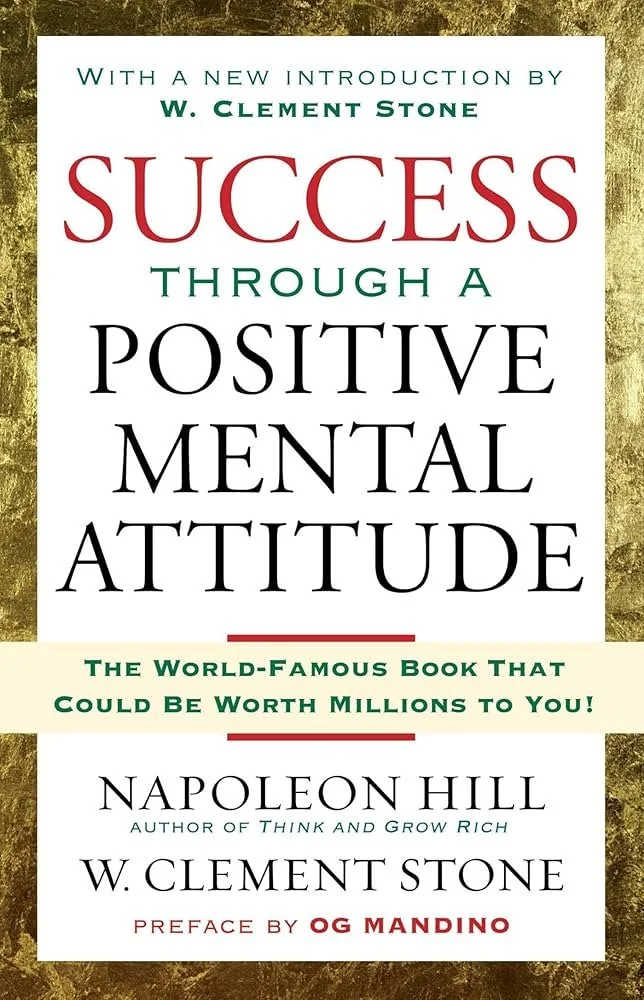
The Goal: Prepare the "Product."
The Core Idea: Before you can sell yourself to the world, you have to sell yourself on your own potential. This book helps you build the psychological foundation of resilience and "PMA" (Positive Mental Attitude) required to handle the rejections that come with growth.
Key Mantra: "Every adversity carries with it the seed of an equivalent advantage."
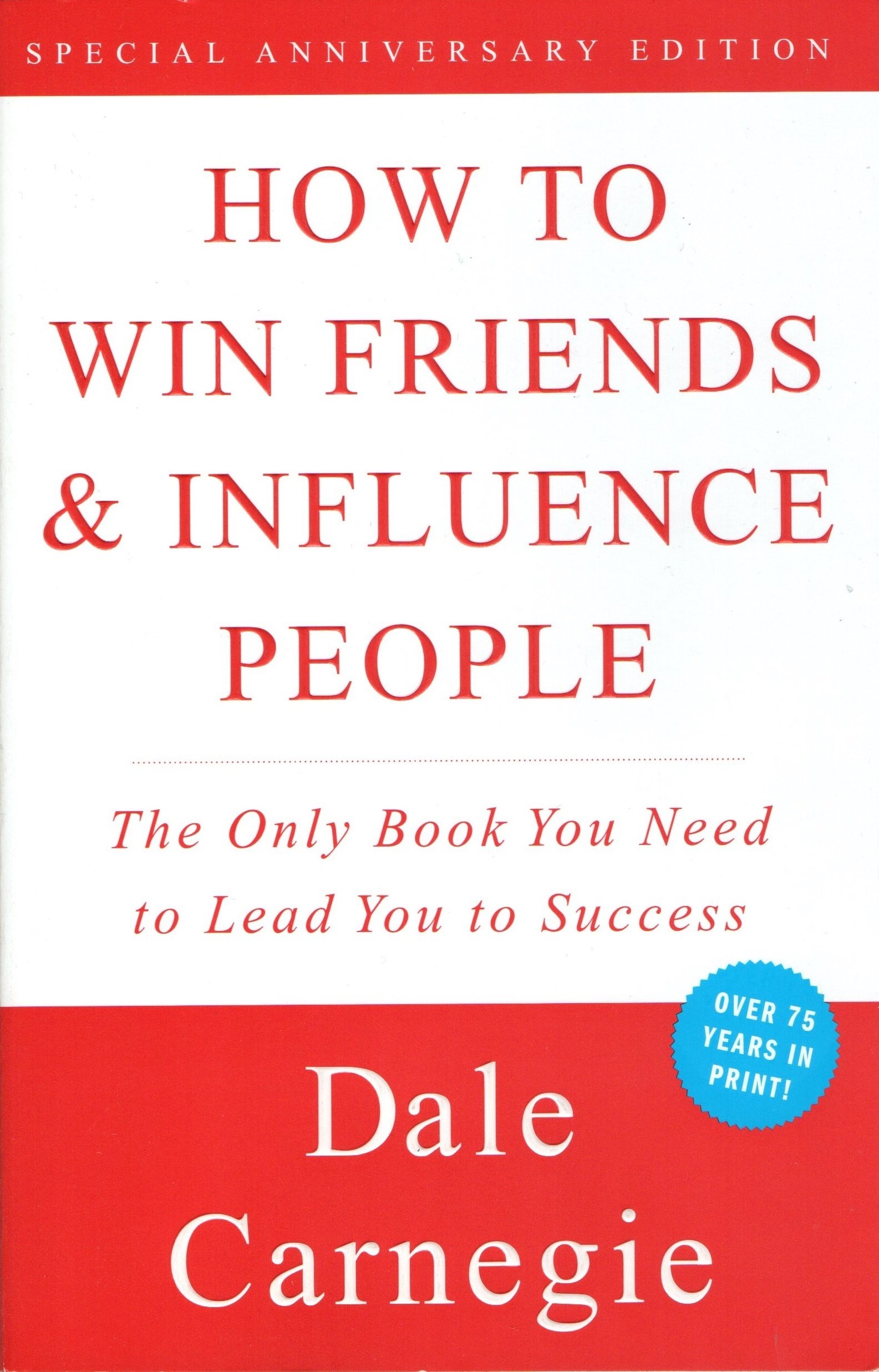
The Goal: Master the "Interface."
The Core Idea: Once your mindset is right, you need the social toolkit to connect. Carnegie teaches you how to lower people’s defenses by focusing on their needs, proving that the fastest way to get what you want is to genuinely help others get what they want.
Key Mantra: "A person’s name is to that person the sweetest and most important sound in any language."
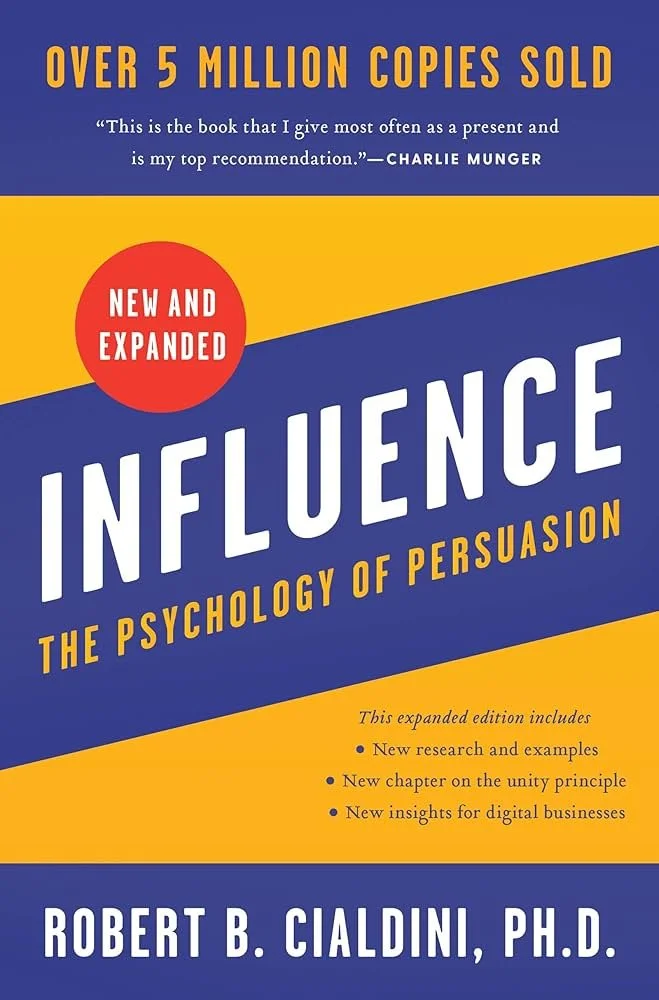
The Goal: Understand the "Science."
The Core Idea: Now that you’re likable, you need to be persuasive. Cialdini explains the hardwired psychological triggers—like Social Proof and Scarcity—that drive human decision-making. This is the "code" behind why people say "yes."
Key Mantra: "People are persuaded more by the actions of others than by any proof we can offer."
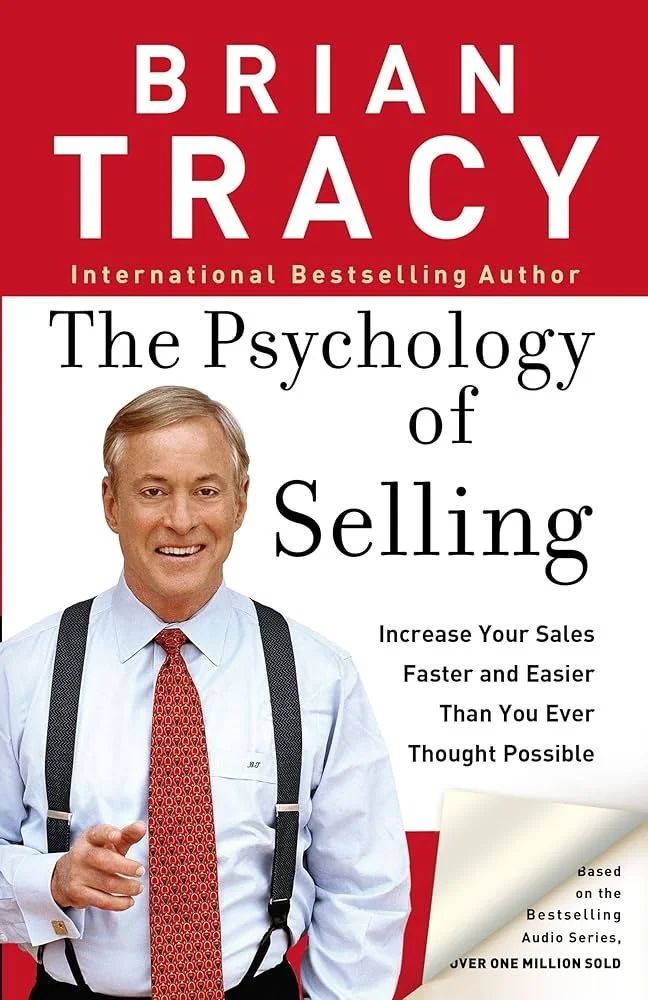
The Goal: Close the "Deal."
The Core Idea: This is the final step where strategy meets execution. Tracy bridges the gap between being a "nice person" and being a high-value professional, teaching you how to view yourself as a consultant rather than a solicitor.
Key Mantra: "Top people in every field are those who see themselves as self-employed."
The interview vault
Introduction:
Read this before you start. This playbook isn't a script to memorize; it's a guide to building confidence.
The Mindset Shift: This job is not about you. It is about how you are going to offload work and make the interviewer’s life easier. You are the solution to their problem.
The Art of Connection: In a digital-first world, the ability to build "human-to-human" rapport is your secret weapon. If you can make an interviewer feel comfortable, you’ve already won half the battle.
The 70/30 Eye Contact Rule: Aim to maintain eye contact about 70% of the time while listening and 50% while speaking. It signals confidence and active engagement. Avoid "The Stare"—it’s okay to look away naturally while thinking, but always "land" your key points back on their eyes.
The Power of the Pivot: If you get a question you didn't expect, don't look at the floor. Maintain eye contact, smile, and say, "That’s a great question, let me take a second to think of the best example for you." It shows you are unfazed by the "gray areas."
Building Rapport: Rapport isn't "small talk"—it's finding a shared frequency. Mirror their energy. If they are formal, be professional. If they are high-energy, dial yours up.
The Practice Plan: Don't let the interview be the first time you do this. Practice the below with professors, parents, or mentors. Ask them for "Vibe Feedback": Did I seem engaged or distracted?
-
The Internal Strategy
Before you practice a single answer, you must define your brand. An interview is not a test; it is a performance.
Choose Your Three Pillars: Pick three words you want the interviewer to use to describe you after you leave (e.g., Resilient, Adaptable, Results-Driven). Every story you tell must point back to these.
The "Story Bank" Concept: You won’t get asked these exact questions below, but they will be similar. As you work through the questions, build a "Bank" of 5-6 versatile stories from your life (school, sports, work). When a question is asked, "lean" on your prep to tailor a story that fits.
The "Vibe" Check: Don't try to be the "correct" candidate—be the clear candidate. They should leave knowing exactly what you stand for.
-
This is where the work happens. First, write out your answers and then say them out loud using the STAR+L Framework to keep your stories tight and impactful.
The STAR+L Framework:
S/T (Situation/Task): What was the challenge? (Keep this brief).
A (Action): What did YOU specifically do?
R (Result): What was the outcome?
L (Learning): The "Performance Clincher"—what did this teach you about work or growth?
Example (Defeat): "I led a club fundraiser that missed its goal by 20% (S/T). I realized I relied too much on email instead of face-to-face asks (A). While we raised $1,000, we missed the mark (R). It taught me that 'hope is not a strategy'—you have to do the hard work of direct outreach to win (L)."
1. The "Engine" (Mindset & Grit)
Interviewer Goal: "Will this person fold when it gets hard?"
"Do you love to win or hate to lose?"
The Cheat Code: Show intensity. If you hate to lose, focus on the drive to fix mistakes. If you love to win, focus on the hunger for the next milestone.
"Are you gritty? Explain how."
The Cheat Code: Prove long-term commitment. Mention working through school, a rigorous training schedule, or mastering a difficult skill.
"Your favorite win vs. biggest defeat."
The Cheat Code: Resilience. For the defeat, take 100% ownership. No excuses.
2. The "Mirror" (Self-Awareness & Coachability)
Interviewer Goal: "Can I manage this person? Do they learn fast?"
"A trait that others can misinterpret?"
The Cheat Code: Shows EQ. "People think I'm too quiet, but it's because I'm observant. I'm learning to speak up sooner to share my insights."
"A strength you wish you had / How do you compensate?"
The Cheat Code: Shows problem-solving. "I struggle with X, so I’ve mastered tool Y to stay ahead of it."
"Recent feedback you’ve received for improvement."
The Cheat Code: Show immediate change. "My boss said I was rushing. Now, I double-check every detail before submitting."
3. The "Team" (Culture & Dynamics)
Interviewer Goal: "Are they a 'culture add' or a 'culture drag'?"
"Working in the gray / Best laid plans."
The Cheat Code: Flexibility. Show that you stay calm and pivot when the "syllabus" of the real world changes.
"Types of people you find challenging to work with?"
The Cheat Code: Professionalism. Focus on how you manage the dynamic: "I find slow communication tough, so I step up to set clear checkpoints for the group."
4. The "Hustle" (Preparation & Strategy)
Interviewer Goal: "Did they just 'show up' or do they actually want THIS job?"
"What did you do to prepare for this interview?"
The Cheat Code: Effort. "I researched your 'zigzag' philosophy, listened to your CEO's latest interview, and studied your top clients."
"How would you define success in this role?"
The Cheat Code: Results-oriented. Success = hitting numbers and adding value, not just "doing the hours."'
After running the drills, look back at your answers. What did you notice?
Find Your "Anchor Stories": You'll notice 2 or 3 stories (a tough project, a sports comeback, a part-time job) keep popping up. These are your most versatile assets.
Theme Check: Do your answers actually prove your 3 Pillars? If your pillar is "Resilient," make sure your stories actually show you bouncing back.
The Lean: You won't get asked these exact questions in the real interview. But because you've teased out these patterns, you can "lean" on these stories to answer almost any question they throw at you.
-
The Strategy: Most interviewers save the last 5–10 minutes for your questions. Do not waste this. Because of the Peak-End Rule, your final interaction is what they will remember most vividly when you walk out the door.
While average candidates ask about "vacation time" or "day-to-day tasks," high-performance candidates ask questions that prove they are already thinking about the company's success.
The "Scale-Tippers" (Choose 2-3):
The "Top 1%" Question:"When you look at the top 1% of performers in this company, what is the one trait they all share that isn't on the job description?"
Why it tips the scales: It tells the interviewer you aren't aiming for mediocrity; you are already looking for the roadmap to be their best employee.
The "Zigzag" Question: “What is the biggest hurdle or 'zigzag' this team has faced in the last six months, and how did you lead them through it?"
Why it tips the scales: It shows you are a realist who understands that work isn't always linear. It also forces the manager to sell themselves to you.
The "Future-Perfect" Question:"If we are sitting here a year from today and I have exceeded all your expectations, what specifically will I have accomplished?"
Why it tips the scales: It makes the interviewer visualize you succeeding in the role. It changes the dynamic from "Can they do it?" to "Look what they've done."
The "Culture-Add" Question: “I’ve researched your company's values regarding [Specific Value, e.g., Radical Accountability]. How does that value actually show up in your weekly team meetings?"
Why it tips the scales: It proves you did your homework (The Hustle) and that you care about alignment, not just a paycheck.
After they answer your questions, don't just say "Thanks!" The below is just a framework. Don’t worry about memorizing this (you don’t want to sound like a robot), but plan to respond intelligently when they answer your questions.
"Thank you for those insights. Based on our conversation, I’m even more confident and excited that my mindset around (insert) and (insert) aligns with what you need here. What is an appropriate next step? Is there anything additional you need from me?
-
THE FINAL TOUCH:
The 2-Hour Rule: Send a thank-you email within 2 hours.
The Pivot: Don't just say "thanks." Reference a specific theme you discussed (e.g., "I've been thinking about what you said regarding 'radical accountability'...")
The Zigzag Mindset: Nothing is linear. If you stumbled on a question, use the thank-you note to briefly clarify your thought. The follow-up is where the deal is closed.
Thank You Email Template - Make this your own and avoid using AI - authenticity is important!
Subject: Thank you - [Role Name] Interview - [Candidate Name]
Hi [Interviewer Name],
Thank you again for the opportunity to interview for the [Role Name] position today. I really enjoyed our conversation, particularly our discussion regarding [mention one specific theme, e.g., the team’s approach to "working in the gray" / your philosophy on radical accountability].
Reflecting on our talk, I am even more confident that my background in [mention Pillar 1] and my drive for [mention Pillar 2] make me the right fit to help the team [mention a specific goal they discussed, e.g., streamline the sales pipeline / hit this quarter's growth targets].
I am eager to bring my grit and work ethic to the team to help offload some of the current challenges we discussed and contribute to the company's continued success.
I look forward to hearing from you regarding the next steps.
Best regards,
[Candidate Name] [Phone Number] [LinkedIn Profile Link]
Architects of Achievement
These individuals offer more than just advice; their philosophies on life, progress, and success are the core ingredients of achievement. The synergies between their styles ring true across countless scenarios. Give them a listen to unlock a deeper drive from within—sometimes you don't know what you need until you hear it.
Jim Rohn | Available on Audible
The mentor who taught Tony Robbins, Rohn was the definitive motivational guru of the 70s, 80s, and 90s. He masterfully simplifies the cycles of life and the organization of execution into a digestible personal philosophy. Audible offers 11 hours of recordings captured during the prime of his career.
Tony Robbins | Available on Spotify
The modern successor to Rohn’s legacy, Robbins blends sound business acumen with the pursuit of one’s true purpose. He is known for pushing boundaries and expanding your comfort zone, helping you grow beyond what you previously thought possible.
Eric Thomas | Available on YouTube
From a childhood in poverty and homThe Architects of Achievementelessness to becoming a highly educated PhD and multi-millionaire, "ET" is the ultimate "no excuses" mentor. His high-octane message resonates in the boardroom, the classroom, and the stadium alike. His words go beyond mere grit, diving deep into the heart of true passion.